Master Industrial Automation: Best PLC Course in Jalandhar Transforms Your Engineering Career
Industrial automation is reshaping modern manufacturing, energy grids, and processing plants across the globe. As factories transition toward smart manufacturing and Industry 4.0, the demand for skilled automation professionals has skyrocketed. If you are an engineering student or a working professional aiming to stay ahead of the curve, mastering Programmable Logic Controllers (PLCs) is no longer optional—it is essential.
Choosing the right training partner makes all the difference. When you search for the best PLC course in Jalandhar, you need a comprehensive curriculum, hands-on industrial exposure, and expert mentorship. At The Core Systems, we bridge the gap between academic theory and real-world industrial demands, empowering you to thrive in today’s competitive job market.
1. Understanding the Evolution of Industrial Automation
Industrial automation has evolved dramatically over the past few decades. Traditional manufacturing relied heavily on manual labor, complex relay logic panels, and hardwired electromechanical switches. These systems were prone to mechanical wear and tear, difficult to troubleshoot, and inflexible when production lines needed modification.
The Shift to Programmable Logic Controllers
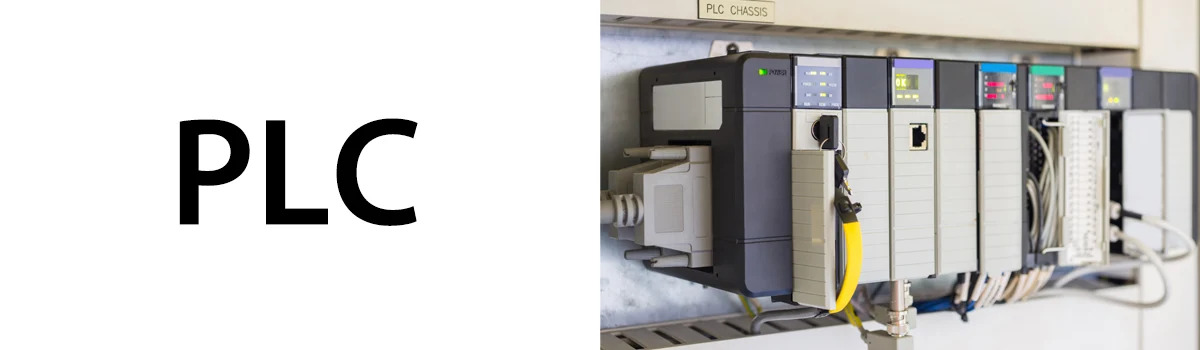
The introduction of the Programmable Logic Controller revolutionized the industrial landscape. A PLC is a ruggedized industrial computer designed to control manufacturing processes, assembly lines, and robotic cells. Unlike hardwired relay panels, a PLC can be reprogrammed easily via software, allowing engineers to modify control sequences without rewiring physical circuits.
From Basic Relays to Smart Factories
Today, automation extends far beyond simple motor start-stop logic. Modern industrial ecosystems integrate PLCs with supervisory control and data acquisition (SCADA) systems, human-machine interfaces (HMIs), and cloud-based analytics. Understanding this progression is the first step toward building a successful career in the sector, making a specialized PLC Automation Course in Jalandhar an invaluable asset for your resume.
2. Why Choose The Core Systems for Your Engineering Career?
Established in 2001, The Core Systems has built a stellar reputation as a premier software development and AI-driven technology company. We specialize in developing cutting-edge corporate and industrial projects across Chandigarh, Mohali, Punjab, Haryana, and surrounding regions.
Bridging Academia and Industry
Many engineering graduates possess theoretical knowledge but lack practical exposure to industrial hardware and software environments. Our training programs are meticulously designed by industry veterans who understand what employers are looking for.
Comprehensive Tech Ecosystem
While our PLC programs stand out, our multidisciplinary expertise spans:
-
Full-Stack Web Development (MERN and Python with AI)
-
Internet of Things (IoT) and Industrial IoT (IIoT)
-
Data Analytics and Embedded Systems
-
Cybersecurity, Linux, and AWS Cloud Computing
This diverse technical foundation ensures that students enrolled in our PLC Course in Jalandhar gain cross-functional insights into how automation integrates with modern software and cloud infrastructure.
3. Core Components of a Modern PLC Architecture
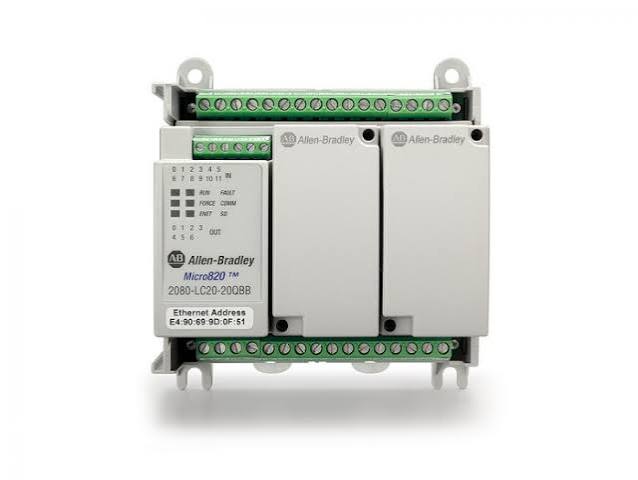
To master industrial automation, you must understand the hardware and software anatomy of a PLC system. Every standard PLC setup comprises several core modules that work seamlessly together.
| Component Module | Primary Function | Typical Industrial Application |
| Central Processing Unit (CPU) | Executes the control program and manages memory. | Processing logic, math operations, and decision-making. |
| Input Modules | Receives signals from field sensors, pushbuttons, and switches. | Detects limit switches, temperature sensors, and optical eyes. |
| Output Modules | Sends control signals to actuators, motors, and indicator lights. | Activates relays, solenoid valves, and variable frequency drives. |
| Power Supply Unit | Converts AC line voltage to low DC voltage for internal circuitry. | Supplying stable power to the CPU and I/O cards. |
| Programming Device | Interface used to write, edit, and monitor control logic. | Laptops or industrial terminals running PLC software. |
4. Key Advantages of Enrolling in the Best PLC Course in Jalandhar
Investing in professional training yields lifelong career dividends. Here is why joining the Best PLC Course in Jalandhar gives you a distinct competitive advantage:
-
Hands-On Practical Training: Move beyond textbooks by working directly with industrial control logic and simulation tools.
-
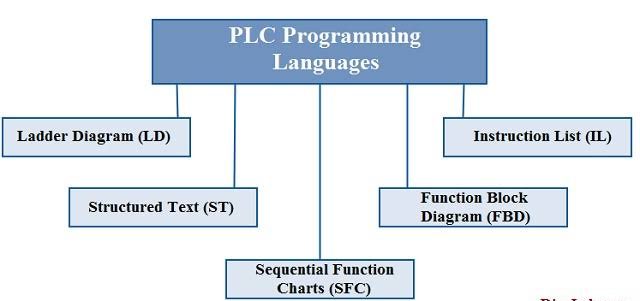
Industry-Standard Curriculum: Learn programming languages defined by international standards, including ladder logic, structured text, and function block diagrams.
-
Expert Mentorship: Receive guidance from seasoned engineers with years of field experience in industrial automation projects.
-
Enhanced Employability: Stand out to recruiters seeking certified professionals who can hit the ground running.
5. Exploring Ladder Logic and Programming Fundamentals
The backbone of most PLC installations is Ladder Diagram (LD) programming, a graphical language inspired by traditional electrical relay schematic diagrams.
Understanding Ladder Logic
Ladder logic uses vertical power rails and horizontal rungs to represent control circuits. Each rung represents a specific logical condition or instruction. When continuity is established from the left rail to the right rail, the output instruction on that rung is energized.
Transitioning to Advanced Languages
While ladder logic remains the industry standard for basic sequential control, modern automation platforms also support:
-
Function Block Diagram (FBD): Ideal for continuous process control loops.
-
Structured Text (ST): A high-level text-based language resembling Pascal or C, perfect for complex mathematical calculations and data manipulation.
6. The Role of SCADA and HMI in Industrial Automation
While PLCs handle the low-level execution of control logic, Human-Machine Interfaces (HMIs) and Supervisory Control and Data Acquisition (SCADA) systems provide the vital visual bridge between operators and the machinery.
Empowering Operators with HMIs
HMIs are touchscreens or display panels mounted on control cabinets. They allow operators to monitor plant conditions, adjust setpoints, view alarms, and manually override processes when necessary.
Centralized Monitoring with SCADA
SCADA systems collect real-time data from multiple PLCs across a sprawling manufacturing plant or utility grid. This data is aggregated into graphical dashboards, trends, and historical logs, enabling plant managers to optimize efficiency and prevent costly downtime. To explore how industrial data standards evolve, refer to resources like [Insert link to reputable tech journal/site].
7. Integrating Industrial IoT (IIoT) with Traditional PLCs
The advent of Industry 4.0 has transformed isolated factory floors into interconnected digital ecosystems. Today, engineers must understand how to connect traditional automation hardware to cloud platforms.
Bridging Operational Technology and Information Technology
Historically, Operational Technology (OT) networks operated in isolation from Information Technology (IT) networks. Today, modern industrial architectures leverage IIoT gateways to stream PLC telemetry data directly to cloud dashboards for predictive maintenance and remote monitoring.
Future-Proofing Your Skill Set
By combining standard PLC knowledge with modern IIoT principles taught at The Core Systems, engineers position themselves at the cutting edge of industrial digital transformation.
8. Career Opportunities and Job Roles for PLC Professionals
Completing a rigorous PLC Automation Course in Jalandhar opens doors to diverse and rewarding career paths across multiple engineering domains.
-
Automation Engineer: Design, program, simulate, and test automated machinery and industrial processes.
-
PLC Programmer: Develop, debug, and optimize control code for manufacturing plants.
-
Maintenance Engineer: Troubleshoot electrical, mechanical, and software faults in automated production lines.
-
Systems Integrator: Combine hardware and software components from different vendors into a unified, cohesive automation system.
Frequently Asked Questions (FAQs)
What qualifications are required to join the PLC course?
Do I need prior coding experience before taking a PLC course ?
How does The Core Systems help with job placement?
What programming languages are taught in the PLC curriculum?
Can working professionals attend these training sessions?
Are practical sessions included in the automation Course?
Contact Us