Mastering Industrial Automation: This Is the Best PLC Automation Course in Ludhiana
Welcome to the definitive guide on transforming your engineering career through cutting-edge industrial technology. If you are looking to step into the fast-paced world of smart manufacturing, choosing the right training program is your most critical first step. Industrial automation is reshaping factories, plants, and production lines across the globe. For students and professionals in Punjab, gaining hands-on expertise close to home can unlock incredible career opportunities.

This comprehensive guide explores everything you need to know about finding a PLC automation course in Ludhiana, what you will learn, and why industry leaders choose specialized training to accelerate their professional growth. Whether you want to master programmable logic controllers or dive deep into smart factory networks, this article will walk you through the essential roadmap to success.
The Evolution of Industrial Automation and Smart Manufacturing
Modern manufacturing has come a long way from manual assembly lines and purely mechanical machinery. Today, factories operate on the principles of Industry 4.0, where machines communicate, analyze data, and execute complex sequences with minimal human intervention. At the heart of this digital transformation lies the Programmable Logic Controller, commonly known as a PLC.
What is a Programmable Logic Controller?
A PLC is a specialized digital computer used for industrial automation. Unlike standard office computers, PLCs are ruggedly designed to withstand harsh factory floors—resisting extreme temperatures, humidity, vibration, and electrical noise. They monitor inputs from sensors, make decisions based on user-written logic programs, and control outputs that drive motors, valves, conveyors, and robotic arms.
Why Industrial Automation Matters Today
-
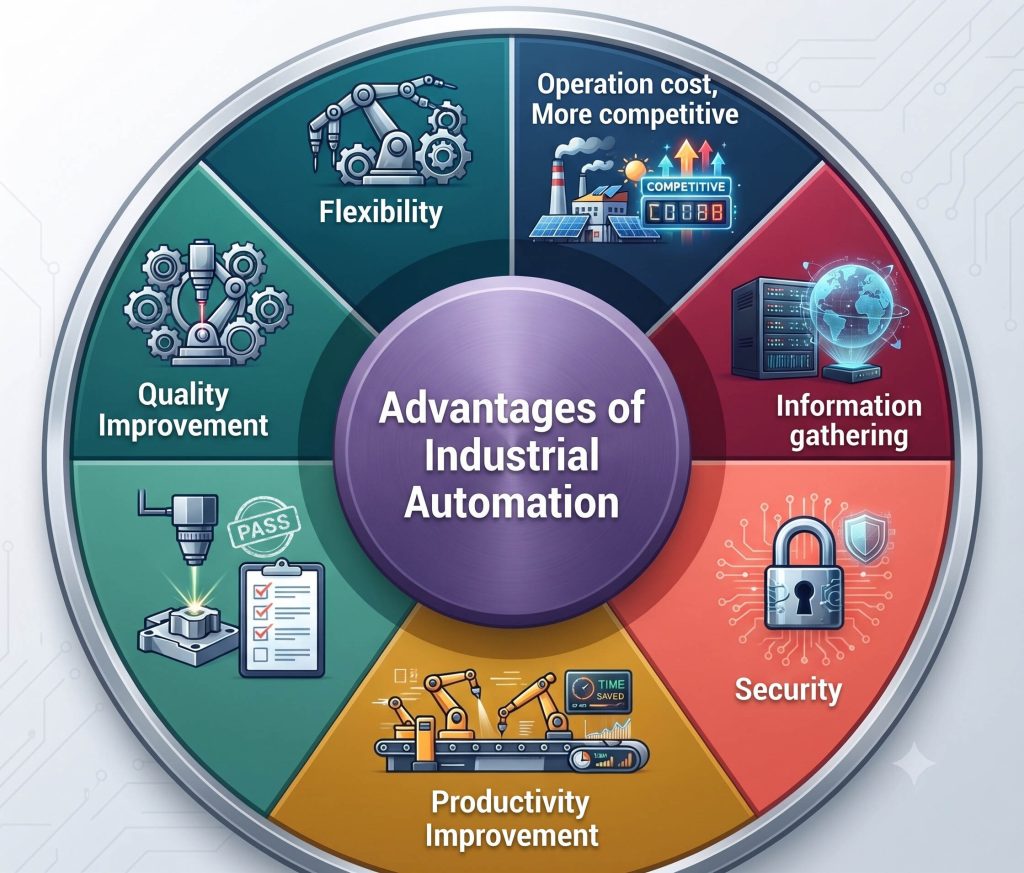
Unmatched Precision: Automated systems eliminate human error, ensuring consistent product quality batch after batch.
-
Higher Safety Standards: Dangerous tasks like heavy lifting, chemical handling, and high-temperature welding are safely managed by automated machinery.
-
Maximum Efficiency: Production lines run 24/7 with optimized cycle times, drastically reducing operational downtime.
-
Data-Driven Insights: Modern automation integrates seamlessly with corporate networks, providing real-time data for plant managers.
Why Choose a PLC Course in Ludhiana?
Ludhiana is universally recognized as the industrial and manufacturing hub of Punjab, home to thriving bicycle, textile, auto-parts, and machine-tool industries. Because local manufacturing plants are rapidly upgrading to automated machinery, local engineers with specialized skills are in high demand.
Bridging the Gap Between Academia and Industry
Traditional engineering degrees often focus heavily on theoretical concepts while leaving a gap in practical, factory-floor implementation. Enrolling in a targeted PLC course in Ludhiana bridges this exact gap. You get to work with actual industrial hardware, write real ladder logic, and troubleshoot live automation loops.
Proximity to Industrial Clusters
Studying in Ludhiana means you are surrounded by active manufacturing plants. This geographic advantage opens doors for industrial visits, live project training, and direct networking with plant managers and hiring engineers.
Core Curriculum of the Best PLC Automation Course in Ludhiana
A world-class training program must cover everything from foundational electrical concepts to advanced networking. Here is a detailed breakdown of what a comprehensive curriculum entails:
| Module Number | Topic Covered | Key Skills Acquired |
| Module 1 | Fundamentals of Industrial Electricity | Relay logic, sensors, actuators, and safety protocols |
| Module 2 | Introduction to PLCs | Hardware architecture, CPU modules, I/O wiring |
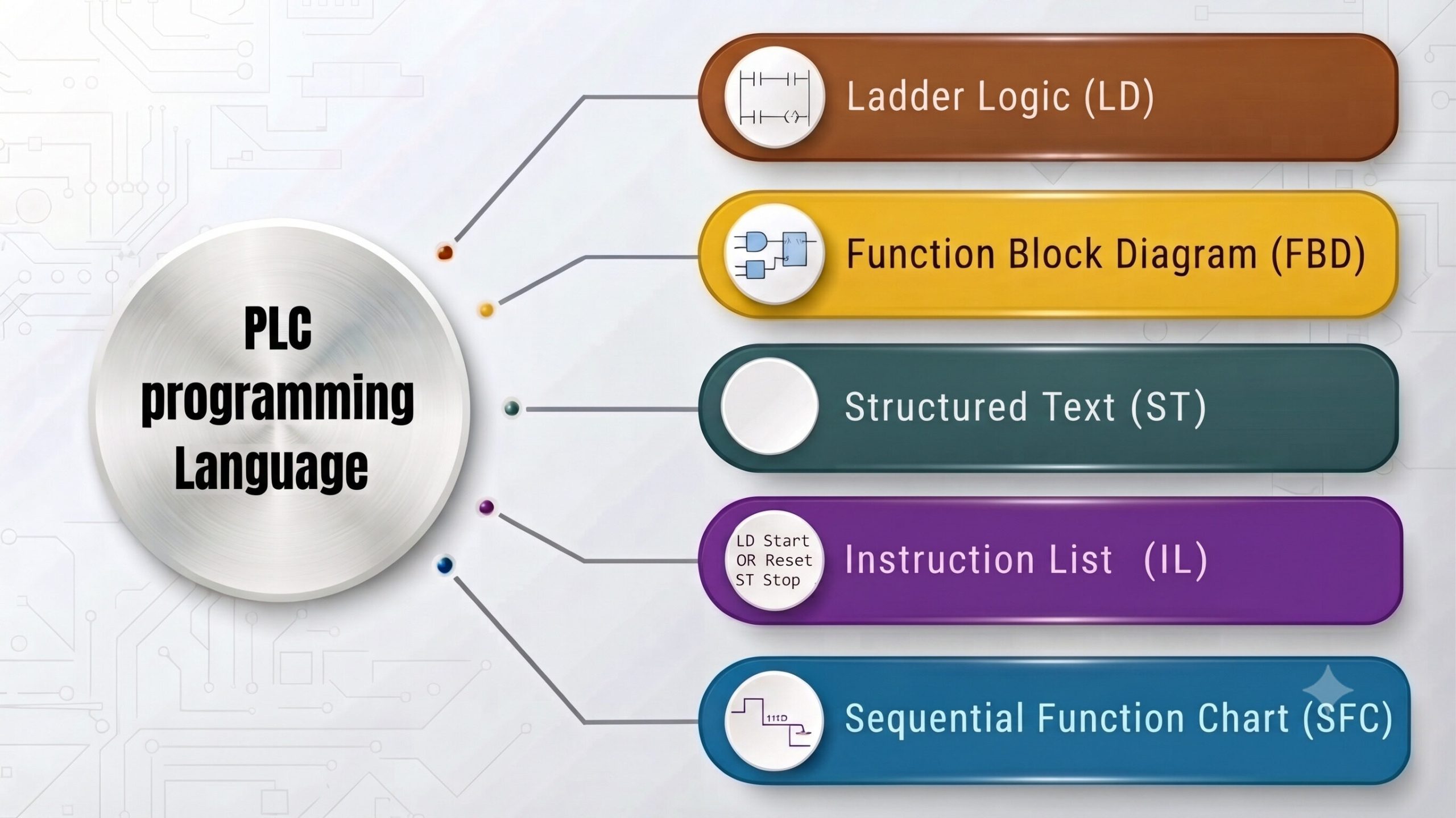
| Module 3 | Programming Languages | Ladder Diagram (LD), Function Block Diagram (FBD) |
| Module 4 | Human-Machine Interfaces (HMI) | Designing operator screens, alarms, and dashboards |
| Module 5 | SCADA Systems | Supervisory control, data acquisition, and trends |
| Module 6 | Industrial Communication | Modbus, Profibus, and Ethernet networking |
Deep Dive Into Key Components of Automation
To truly master industrial automation, students must understand how individual hardware and software components work together in harmony.
Sensors, Actuators, and Field Devices
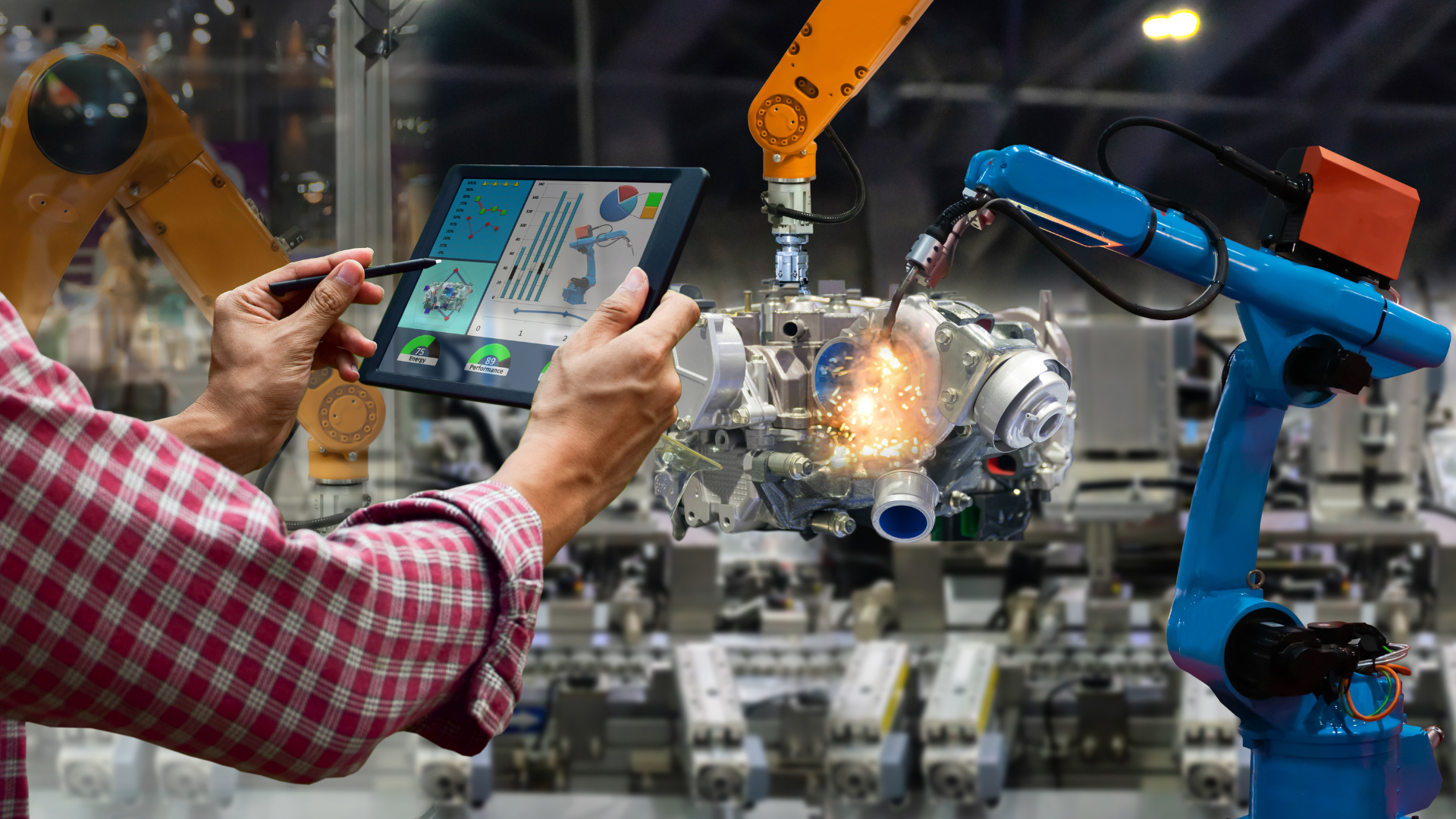
Every automated process starts with data collection. Sensors measure temperature, pressure, level, flow, and proximity. Actuators, such as pneumatic cylinders and electric drives, act on the commands given by the PLC. Understanding how these field devices interface with control panels is a core pillar of the PLC automation course in Ludhiana.
Writing Effective Ladder Logic
Ladder logic is the most popular programming language used in PLCs. It mimics traditional relay contact schematics, making it intuitive for electricians and engineers to read and write. Students learn how to construct timers, counters, arithmetic instructions, and master sequential control logic.
Integrating PLCs with HMI and SCADA
A standalone PLC is powerful, but operators need a visual way to monitor and control the process. This is where Human-Machine Interfaces and Supervisory Control and Data Acquisition systems come into play.
Designing Intuitive Operator Screens
An HMI acts as the window into the automated machine. During your automation course in Ludhiana, you will learn how to design user-friendly touchscreens that display machine status, fault messages, and production counts in real time.
Plant-Wide Supervision with SCADA
SCADA systems aggregate data from multiple PLCs across an entire manufacturing plant. Engineers use SCADA software to visualize historical trends, generate automated shift reports, and monitor critical alarms from a central control room.
Expanding Horizons: The Role of IIoT and Smart Factories
As technology advances, industrial automation is merging with information technology. The Industrial Internet of Things (IIoT) connects physical machinery to cloud platforms for remote monitoring and predictive maintenance.
Connecting the Shop Floor to the Cloud
Modern engineers cannot rely solely on legacy PLC knowledge. Integrating automation with cloud platforms allows companies to track key performance indicators from anywhere in the world. Leading training providers incorporate these modern concepts into their curriculum to ensure students stay ahead of the technology curve. For further reading on global manufacturing trends, check out [Insert link to reputable tech journal/site].
Career Opportunities After Completing a PLC Course in Ludhiana
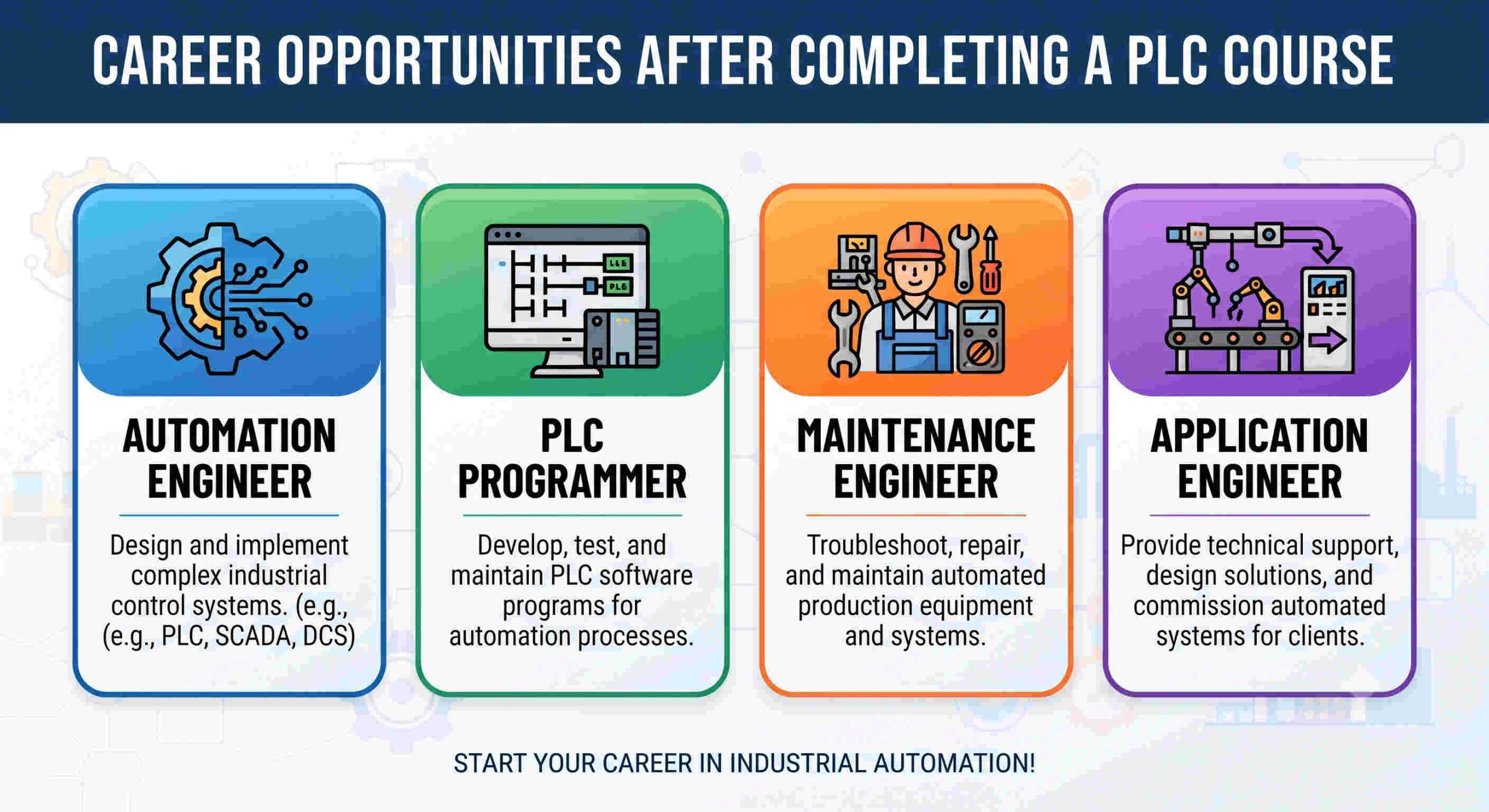
Completing a rigorous technical program unlocks a wide variety of exciting career paths across multiple engineering domains.
Roles You Can Pursue
-
Automation Engineer: Design, program, test, and commission automated industrial systems.
-
PLC Programmer: Specialize in writing, debugging, and optimizing ladder logic code for manufacturing machinery.
-
Maintenance Engineer: Troubleshoot electrical, pneumatic, and PLC faults on active factory floors to minimize downtime.
-
Application Engineer: Provide technical support and custom automation solutions to clients and manufacturing partners.
Industries Hiring Automation Experts
-
Automotive & Auto-Parts: Assembly lines, robotic welding, and painting systems.
-
Food & Beverage: Automated mixing, bottling, packaging, and quality inspection.
-
Textiles & Apparel: Automated spinning, weaving, and dyeing machinery.
-
Pharmaceuticals: Precise batch processing and sterile packaging lines.
Why Choose The Core Systems for Your Training?
When selecting an institute for your professional development, you need a partner with a proven track record of excellence. Established in 2001, The Core Systems is a premier Software Development and AI-driven company renowned for delivering top-tier technical education and industrial solutions.
Comprehensive Technical Ecosystem
Beyond being recognized for offering the best PLC automation course in Ludhiana, our expertise spans a wide array of advanced technology domains. We provide rigorous training in:
-
Artificial Intelligence and Data Science
-
Full-Stack Web Development (MERN and Python with AI)
-
Internet of Things (IoT) and Industrial IoT (IIoT)
-
Embedded Systems and Microcontrollers
-
Python Programming and Data Analytics
-
AWS Cloud Computing, Cyber Security, and Linux
Practical Learning and Industry Exposure
Our training methodology focuses heavily on hands-on practical execution. Students work on real-world industrial scenarios, guided by veteran mentors who have years of field experience developing corporate and industrial projects across Chandigarh, Mohali, Punjab, Haryana, and nearby regions.
Step-by-Step Roadmap to Enroll and Excel
Embarking on a new technical learning journey requires dedication and a clear plan of action. Here is how you can maximize your success:
-
Assess Your Prerequisites: Basic knowledge of electrical circuits and computer fundamentals is helpful before diving into advanced programming.
-
Choose the Right Track: Speak with academic counselors to select a schedule that aligns with your college studies or professional work hours.
-
Engage in Hands-On Labs: Never skip practical lab sessions. Wiring panels and debugging live logic errors is where true learning happens.
-
Build a Capstone Project: Complete a comprehensive final project showcasing your ability to program a multi-station automated cell.
-
Leverage Placement Assistance: Take advantage of resume-building workshops, mock interviews, and industry networking events.
Frequently Asked Questions (FAQs)
What are the eligibility criteria for enrolling in a PLC automation course?
Do I need prior programming experience to learn PLC?
How long does it take to complete the training program?
How does IIoT integrate with traditional PLC training?
Can mechanical engineers build a successful career in automation?
Contact Us